The Zhezdy mine: from the war years to a new mining plan
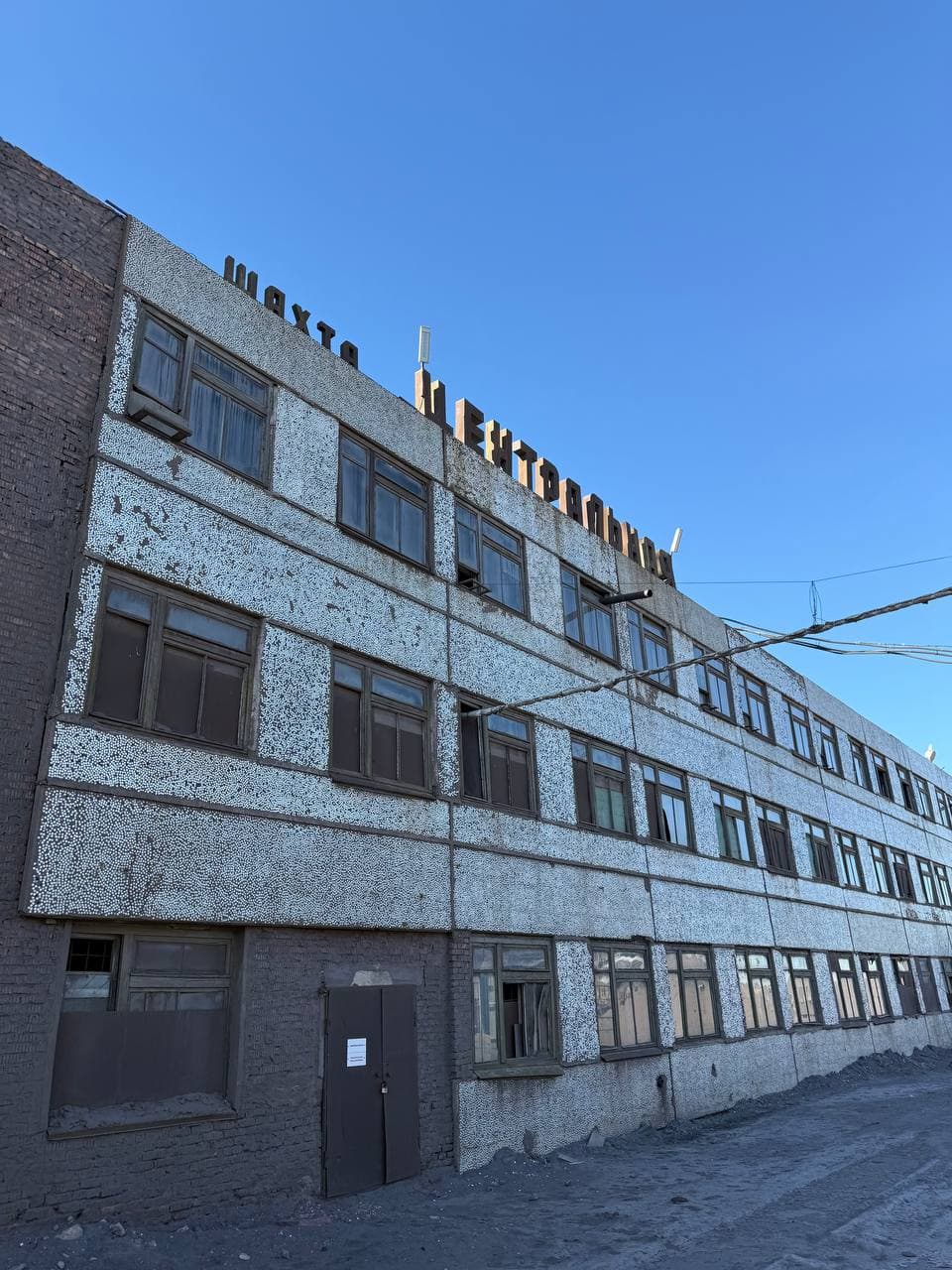
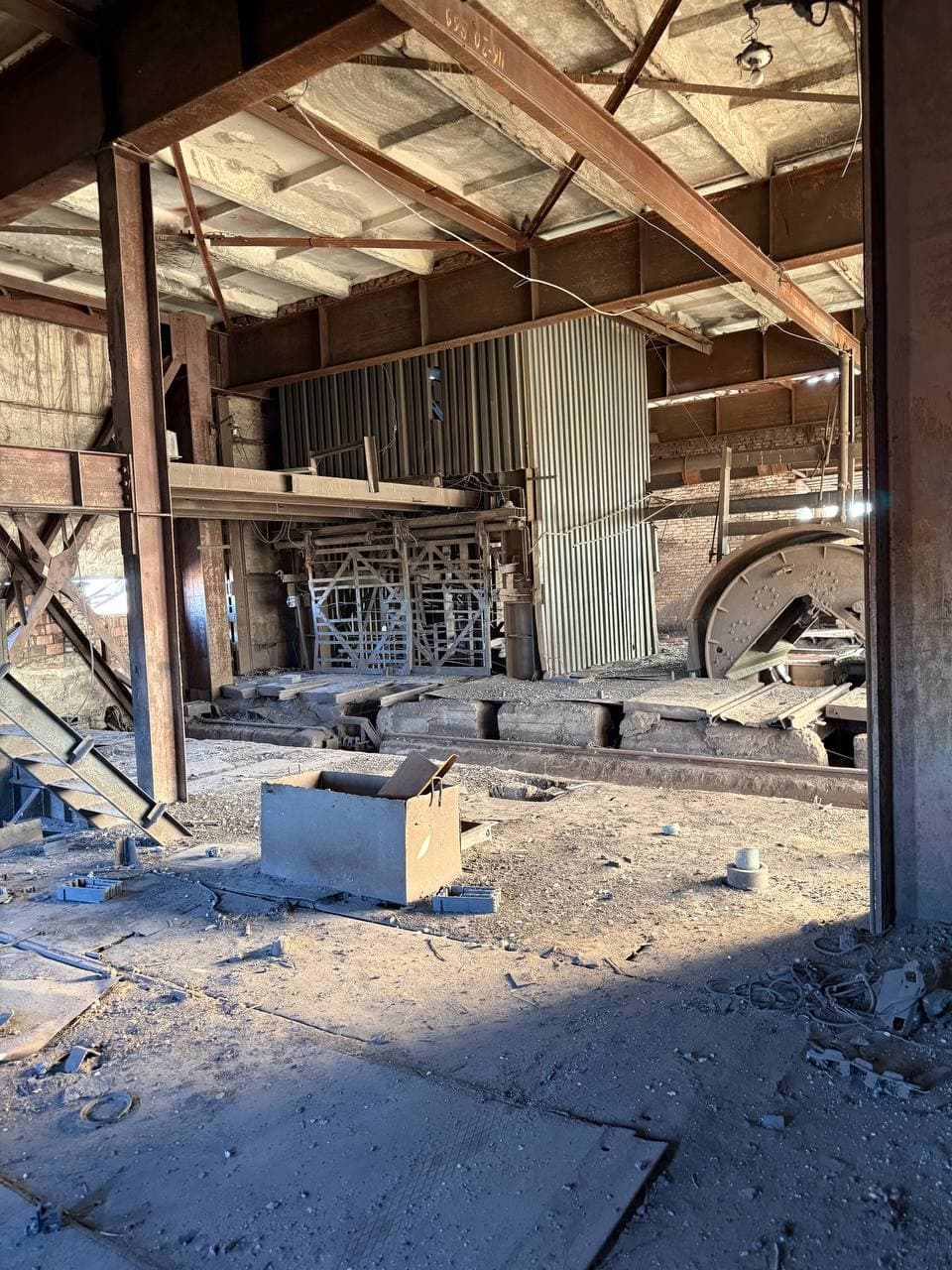
At the Zhezdy deposit in the Ulytau district of Ulytau region we plan to resume manganese mining underground. Mineralisation was established here in the 1920s and systematic exploration began at the same time. Industrial mining started during the Great Patriotic War, and the Dzhezdy mine supplied a significant share of Soviet ferrous metallurgy’s manganese ore needs.
The mine administration mined and processed ore for more than 80 years, remaining one of the few continuously operating manganese mines in Central Kazakhstan. By the time the mining plan was drawn up the deposit had been mothballed. According to the documents, production is set to start in 2029, and over the life of the project it could yield roughly 1.4 million tonnes of metal. For comparison, the mine historically produced about 175 thousand tonnes of ore a year at an average manganese grade of 18–19%.
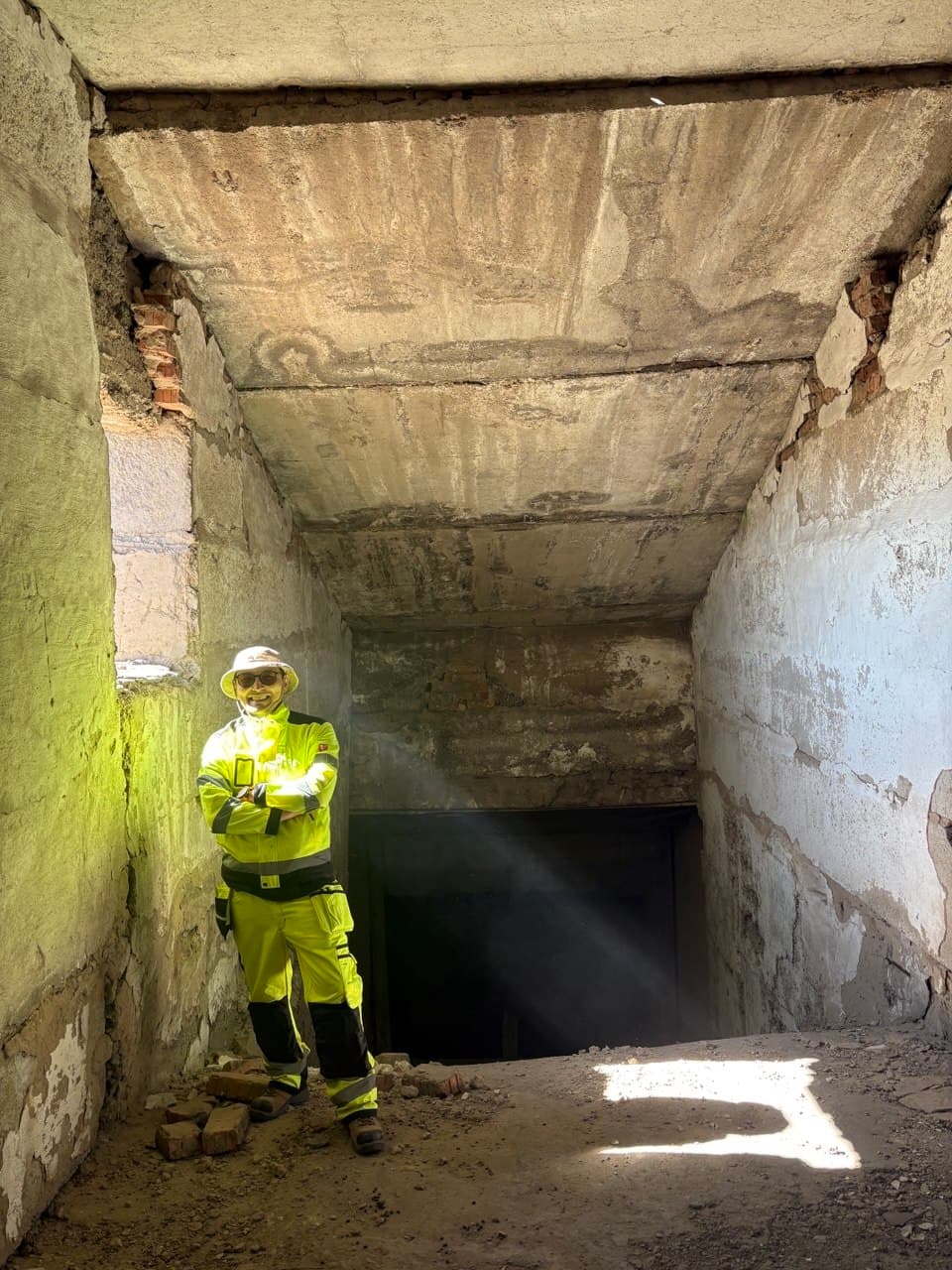
The Zhezdy group consists of two separate groups of ore bodies about 70 km apart: the Zhezdy deposit itself, with the 6-bis and Dalny sections, and the Promezhutochnoye deposit. Under the new project, mining will start with shafts in the south-eastern part, beginning with shaft 6-bis. Access is planned through the vertical shafts “Central”, “Ventilation” and “Capital” and by conveyor and vehicle inclines; the rock mass will be moved by conveyor. The reserves have been considered for extraction down to the minus 200 m level.
Because the richest and most accessible parts of the deposit have been depleted over time, the mining plan relies on technically sound planning, combined development systems and fuller extraction of reserves, including man-made raw material. Sources: Inbusiness.kz (13 September 2026), citing the project’s non-technical summary and mining plan.